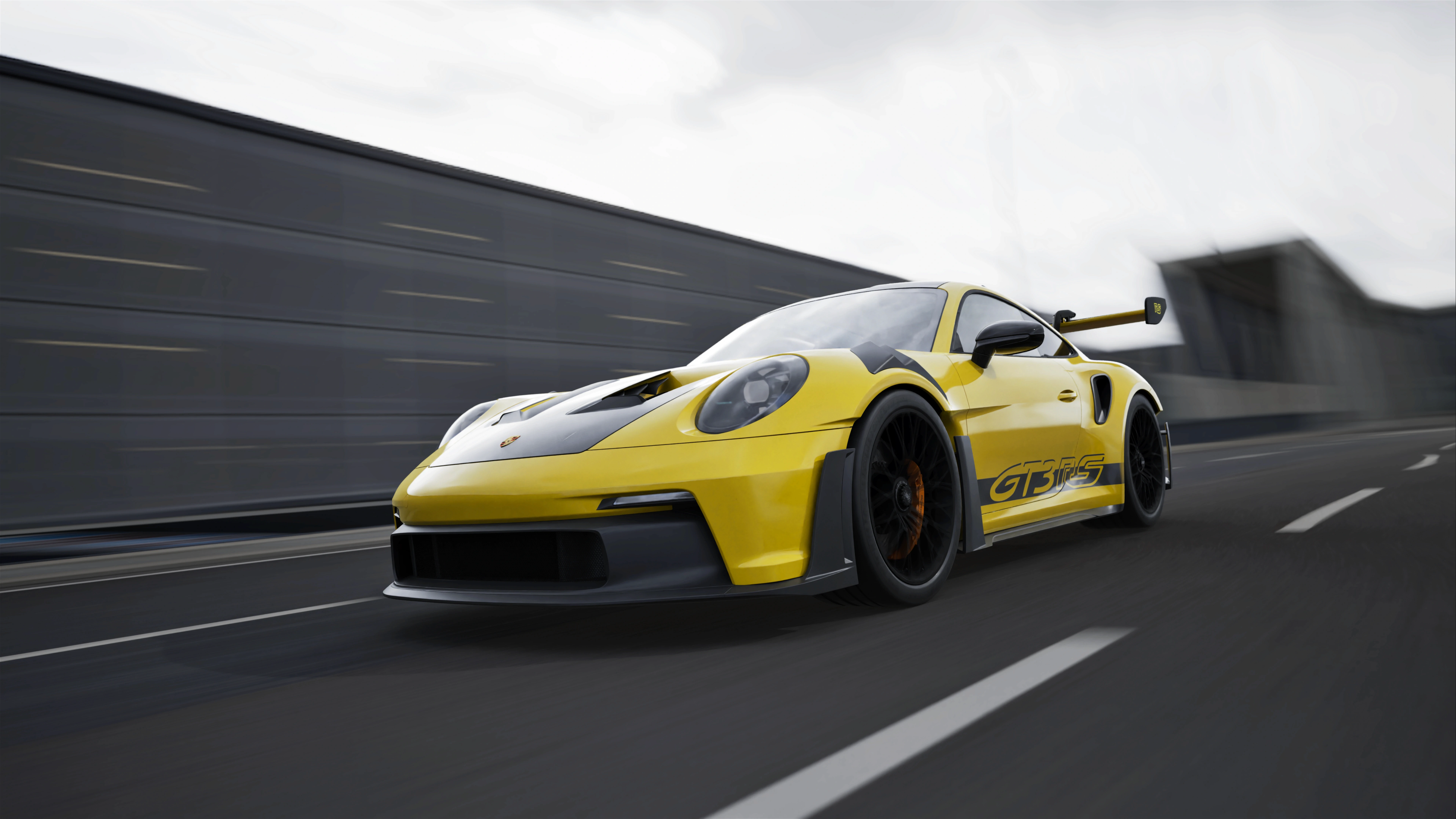
Class A Surfacing: Porsche GT3 RS
Award-winning Class-A automotive visualization project focused on cinematic realism and surface quality.
Context
This project was developed as a deep exploration of Class-A surface modeling and high-end automotive visualization.
The goal was to achieve production-level surface quality while pushing the visual realism expected from contemporary automotive advertising.
Year
2024
Duration
3 months
Client
Personal / Academic Project
Challenge
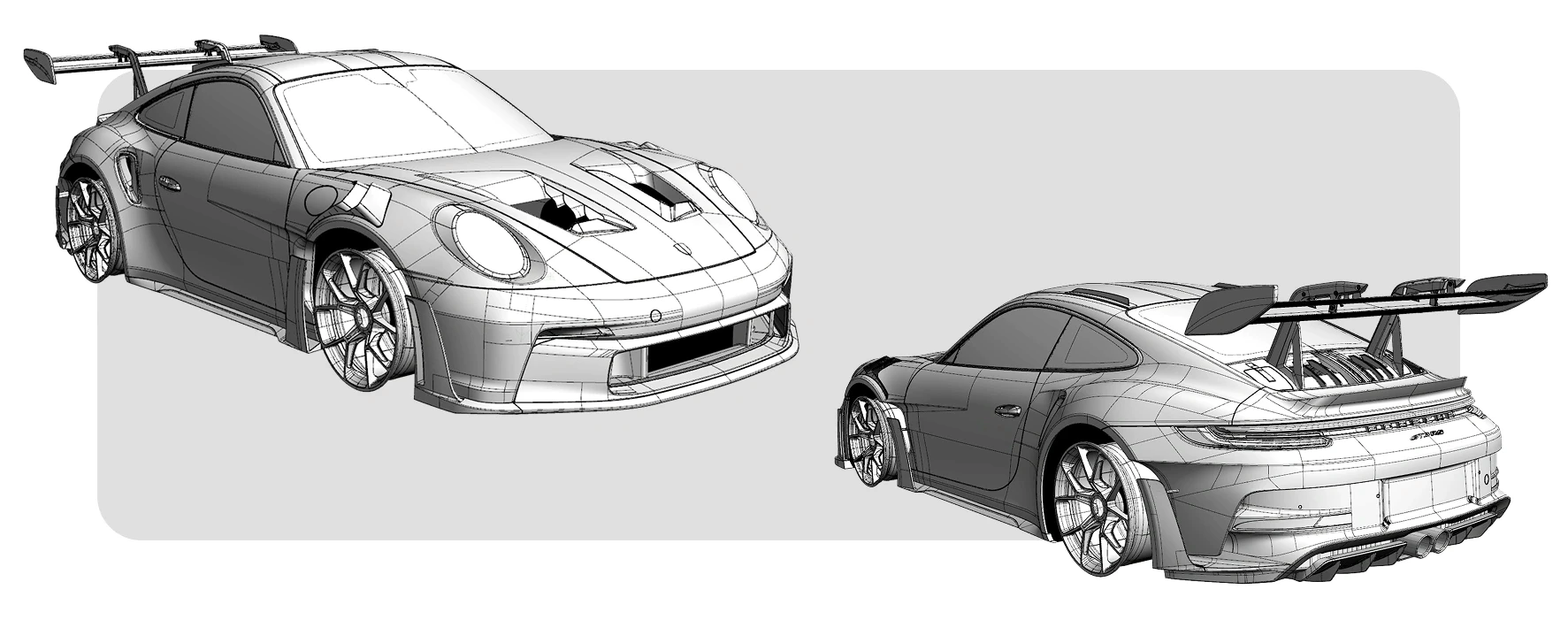
The main challenge was to maintain strict Class-A surface standards while preparing the model for cinematic rendering.
Surface continuity, reflection control, and panel transitions had to remain flawless under complex lighting conditions and close-up camera angles.
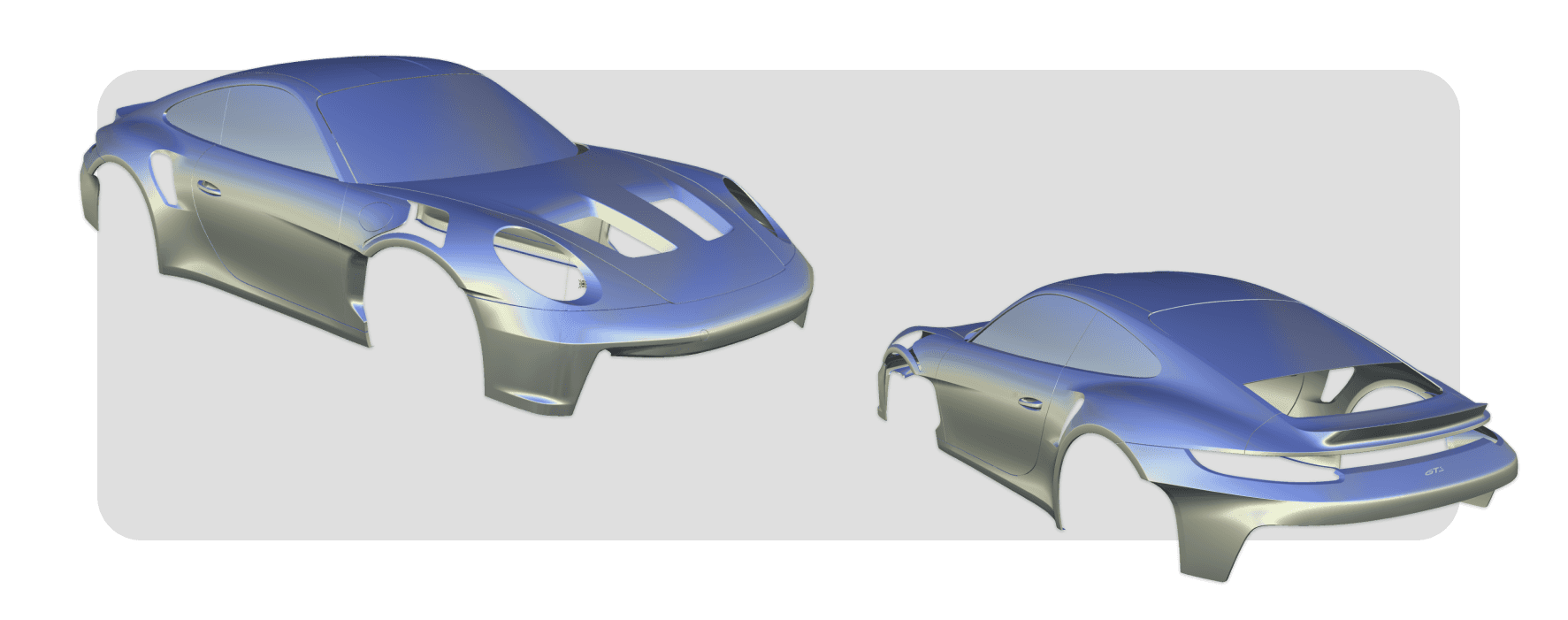
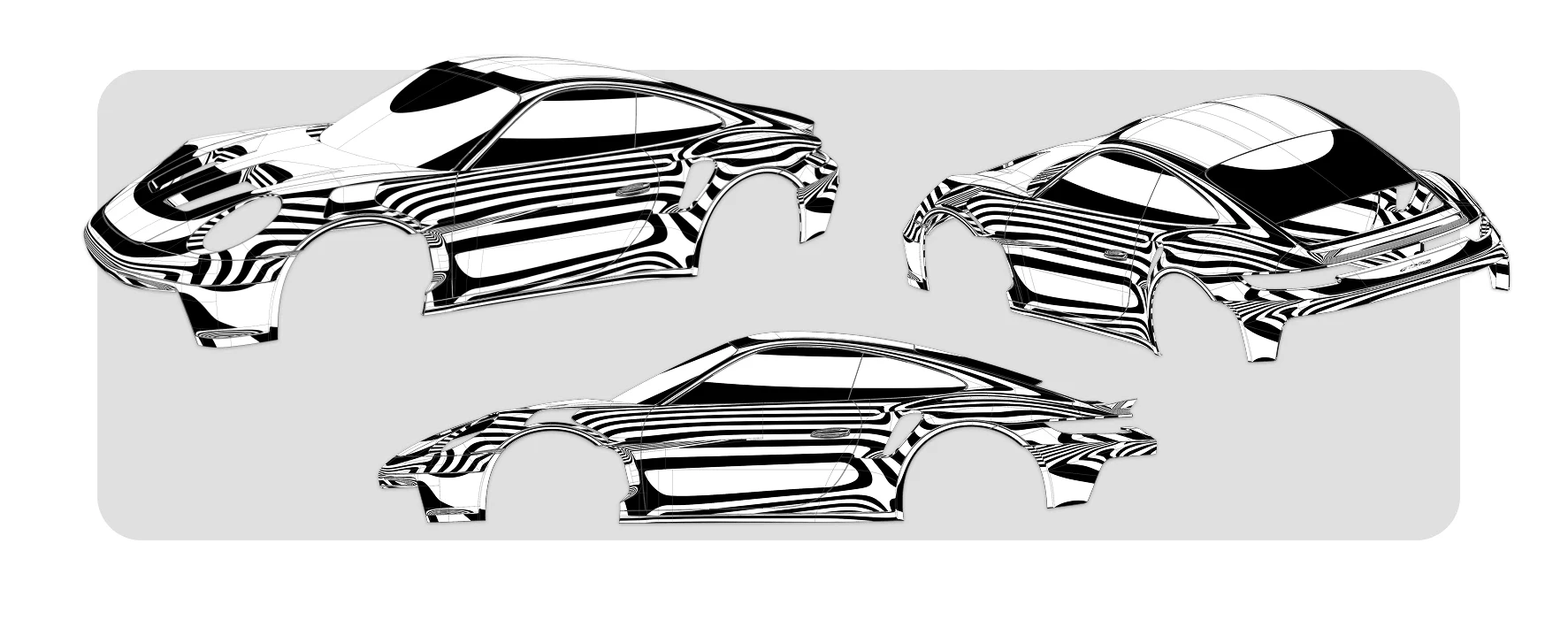
Class-A surface development
The surface development phase focused on achieving clean, continuous reflections and precise curvature control.
Each panel was refined to ensure consistency across the entire body, balancing aerodynamic intent with visual clarity.
Visualitzation & cinematic realism
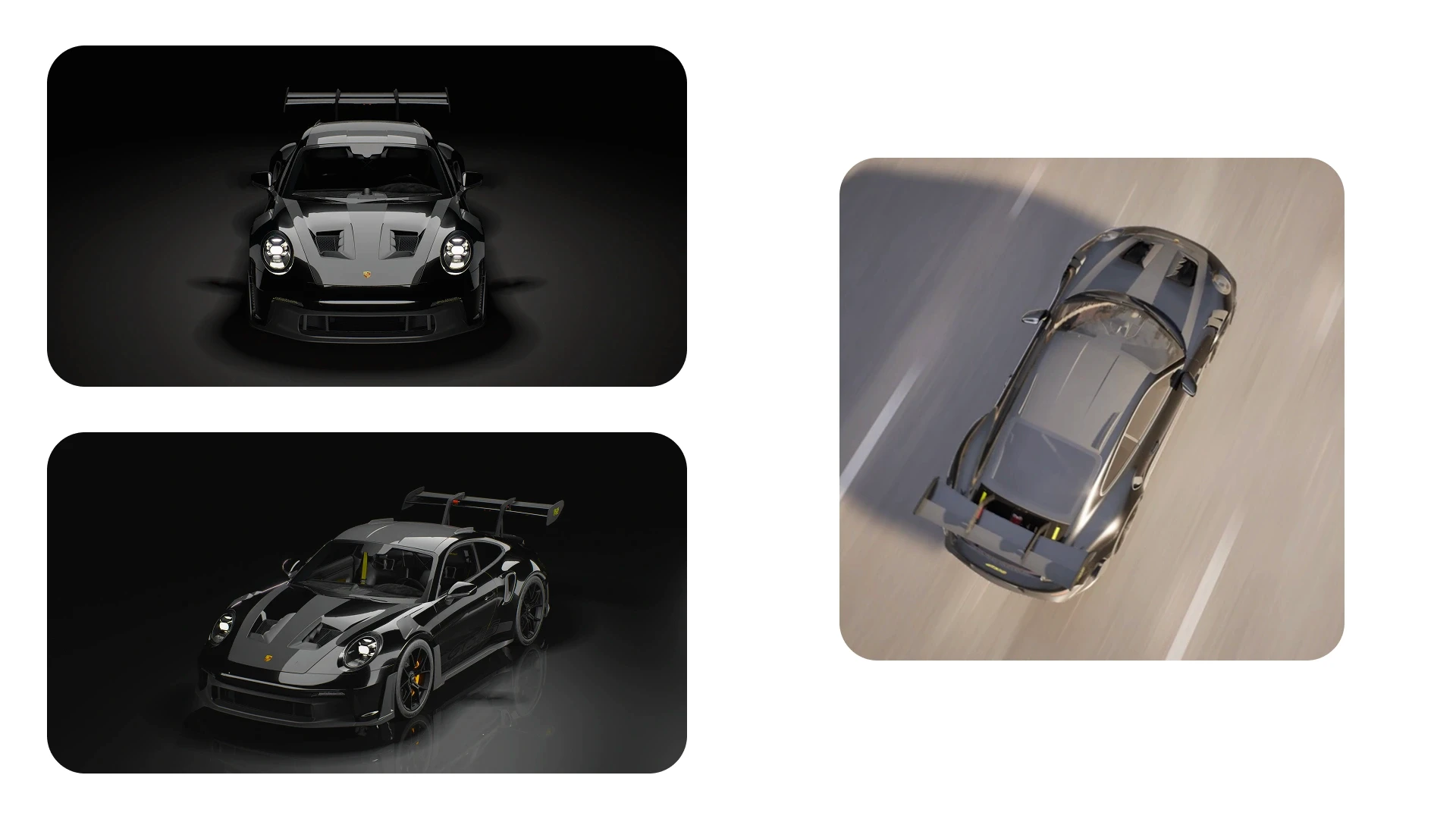
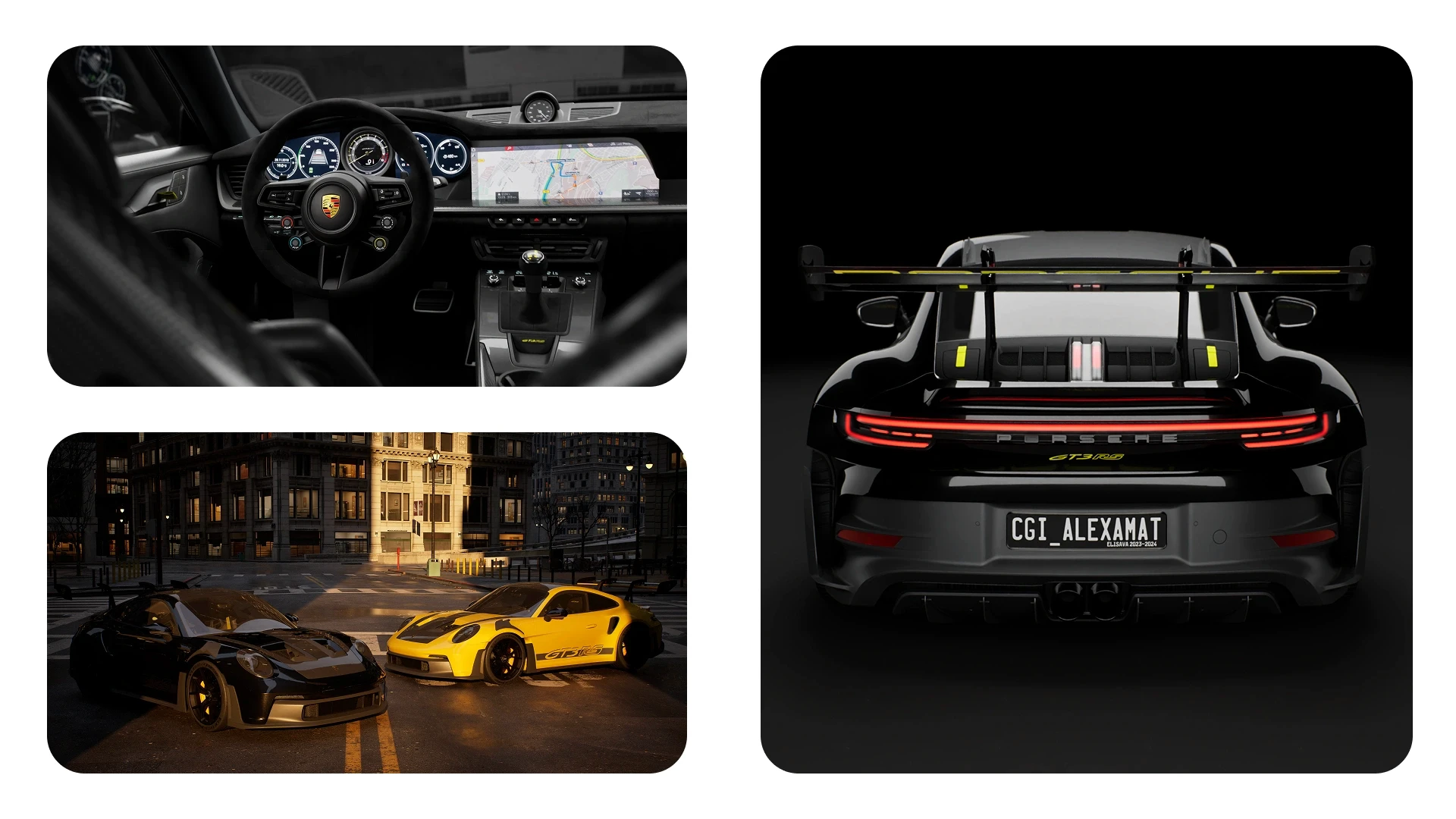
Once the Class-A surfaces were finalized, the project transitioned into a cinematic visualization phase.
Lighting, materials, and camera composition were carefully designed to communicate performance, precision, and emotion.
Cinematic results
Short cinematic sequences were developed to simulate real advertising scenarios.
The focus was placed on motion, rhythm, and visual storytelling rather than static presentation.
Final results
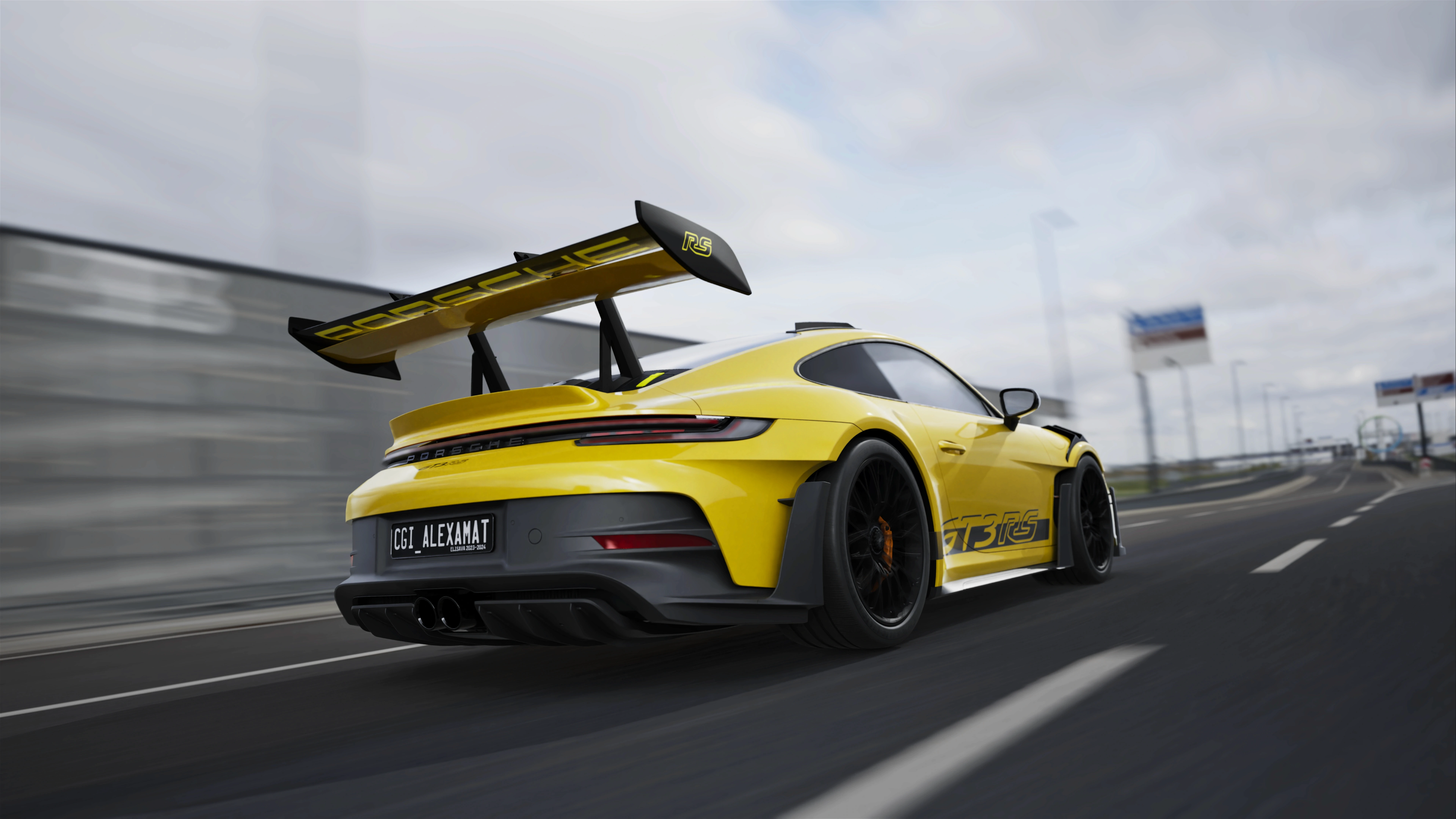
The final result demonstrates how Class-A surface modeling directly influences the quality and credibility of high-end automotive visualization.
By combining precise surface development with cinematic lighting, materials, and motion, the project achieves a level of realism comparable to contemporary automotive advertising.
This approach was recognized as one of the Best Master’s Final Projects, highlighting the importance of surface quality as a foundation for visual storytelling and technical excellence.
View More.
A selection of projects focused on product, systems, and real-world feasibility.